Exhibits
Marge “Poncho” Villa
Montebello's Hometown Baseball Champion
Permanent Exhibit
Step into Montebello history and explore the enduring legacy of Marge “Poncho” Villa Cryan, Montebello’s hometown baseball champion and a trailblazer in early women’s athletics.
This permanent exhibit honors Marge’s remarkable journey, from joining the Orange Lionettes at age 14 in 1940 to helping secure the Southern California championship. Through archival photographs, artifacts, and historical context, visitors can learn about her impact on women’s sports and her lasting influence on Montebello’s community history.
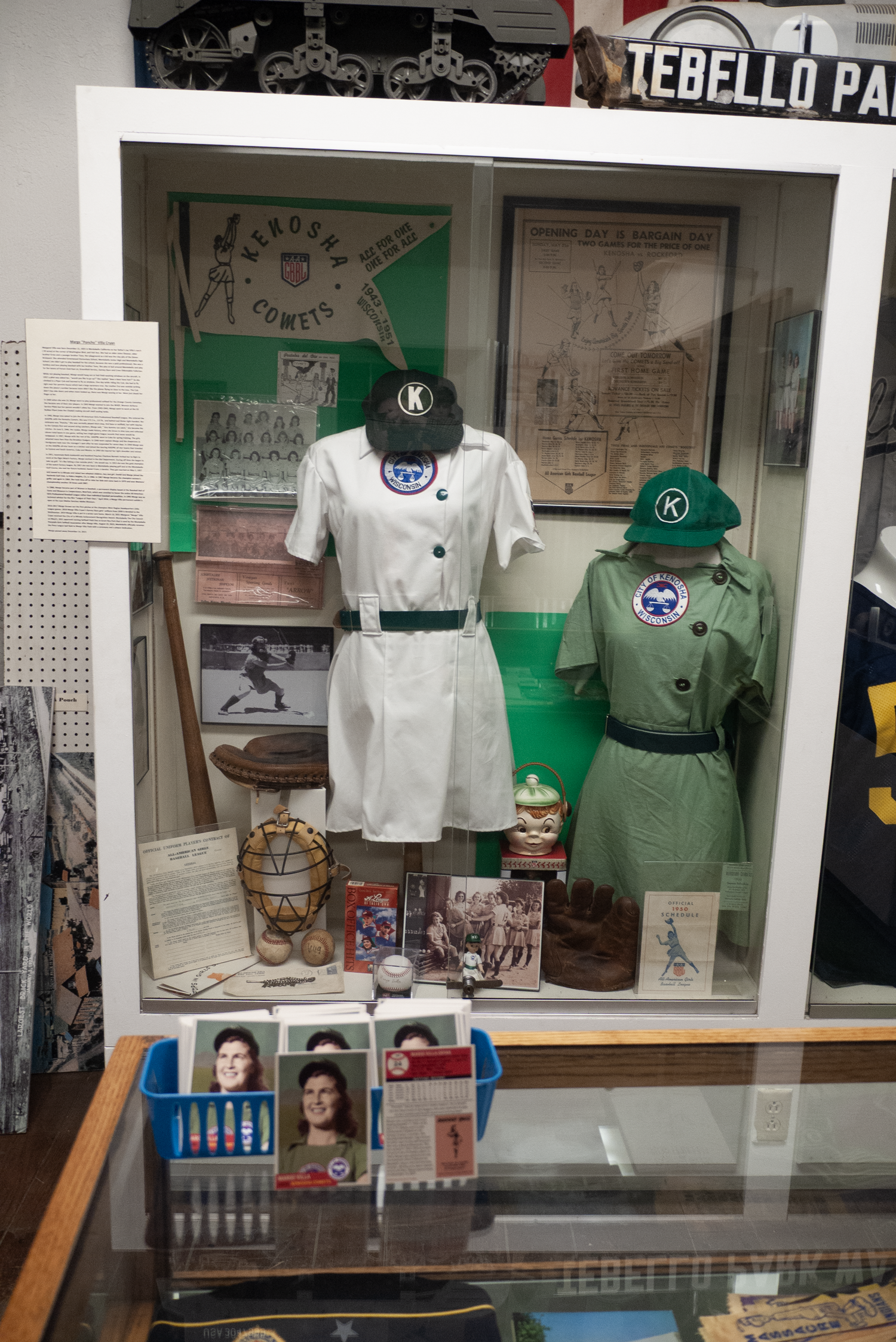
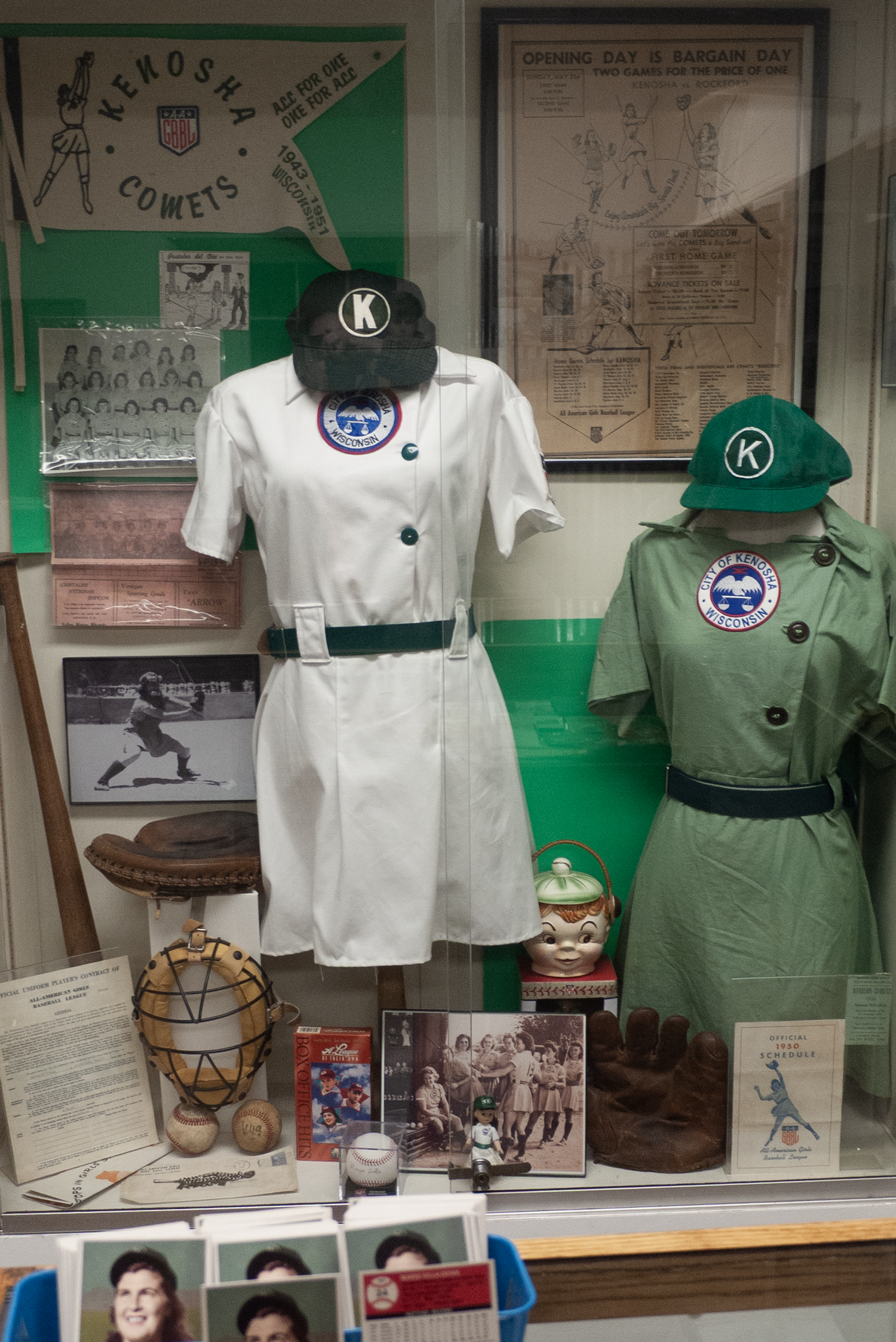
The Marge Villa exhibit offers a meaningful opportunity to discover the story of a local athlete whose legacy continues to inspire future generations.
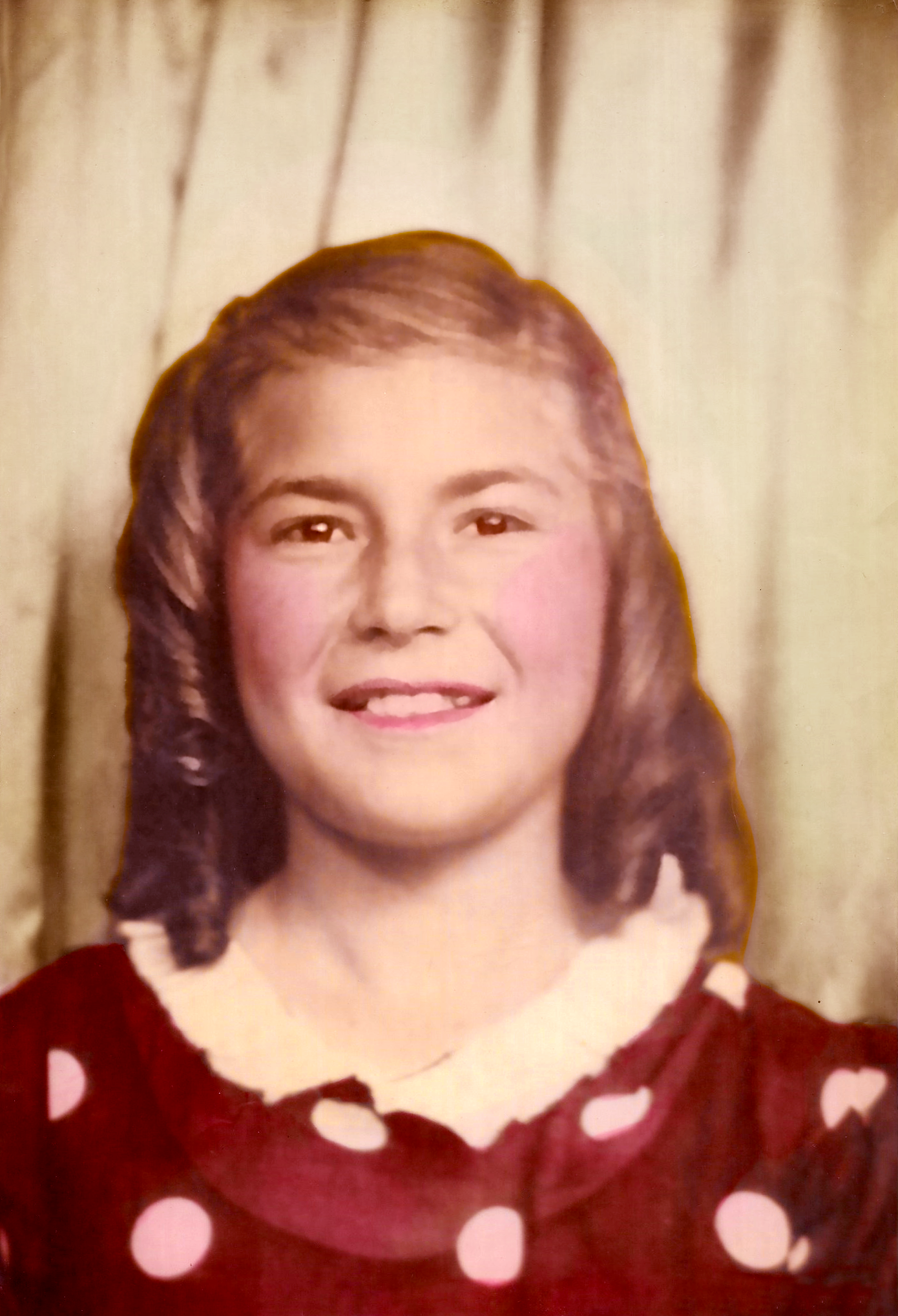
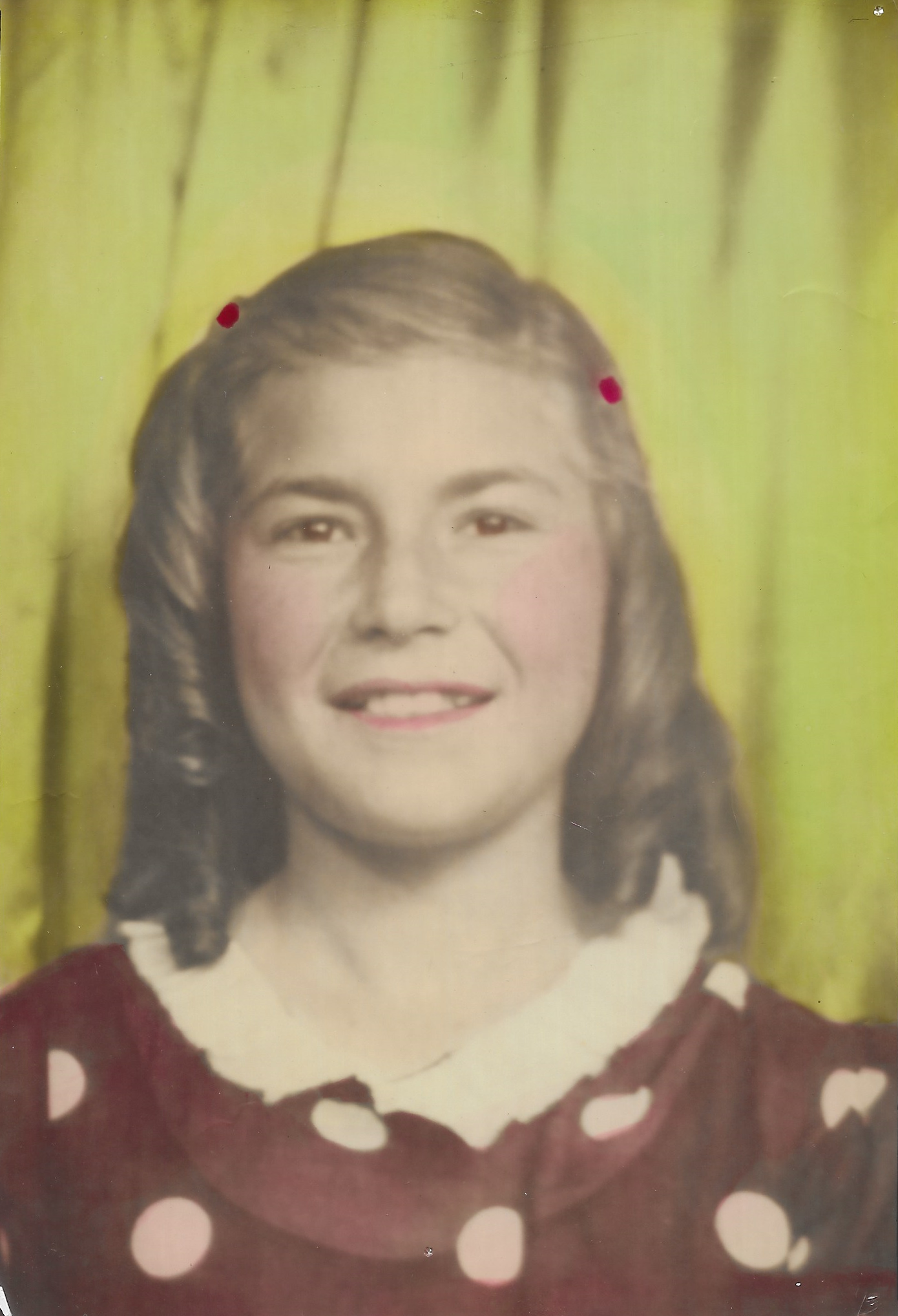
Why Marge “Poncho” Villa Matters
Marge “Poncho” Villa Cryan’s journey began as a spirited “tomboy” with a deep passion for baseball. At just 14 years old, she began playing with the Orange County Lionettes, where her talent and determination quickly set her apart. At a time when opportunities for women in sports were limited by social expectations, Marge’s dedication helped pave the way for greater visibility and recognition of female athletes.
In 1946, she joined the All-American Girls Professional Baseball League (AAGPBL) as a member of the Kenosha Comets. Known as a skilled catcher and respected team leader, Marge earned All-Star recognition and served as team captain during her professional career. Her accomplishments contributed to the growing legitimacy of women’s professional baseball and helped challenge longstanding stereotypes about women in athletics.
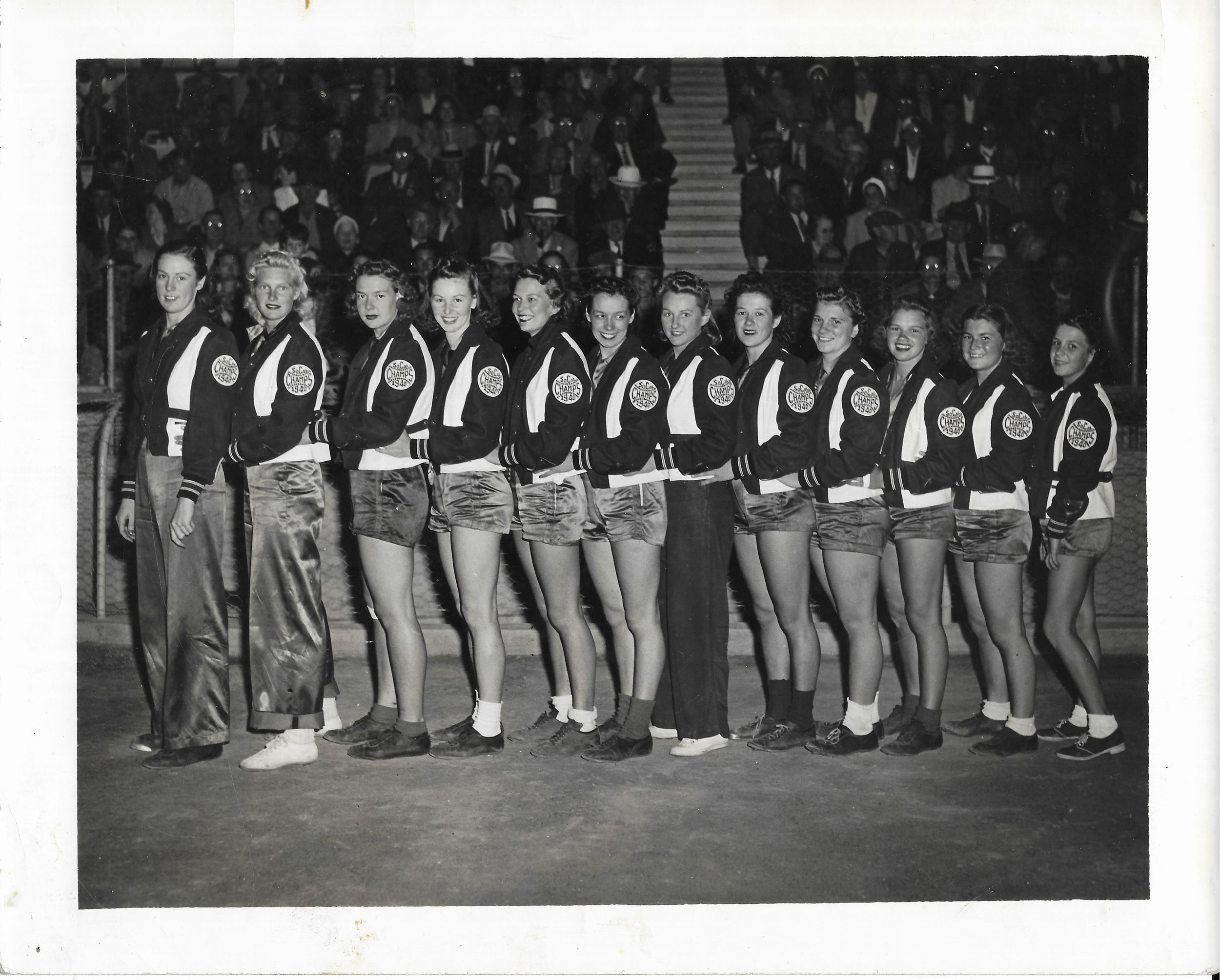
Today, Marge Villa’s legacy continues to resonate through local history, women’s sports scholarship, and community memory. Her story reflects both the challenges and achievements of early female athletes and remains an important part of Montebello’s cultural and sporting heritage.
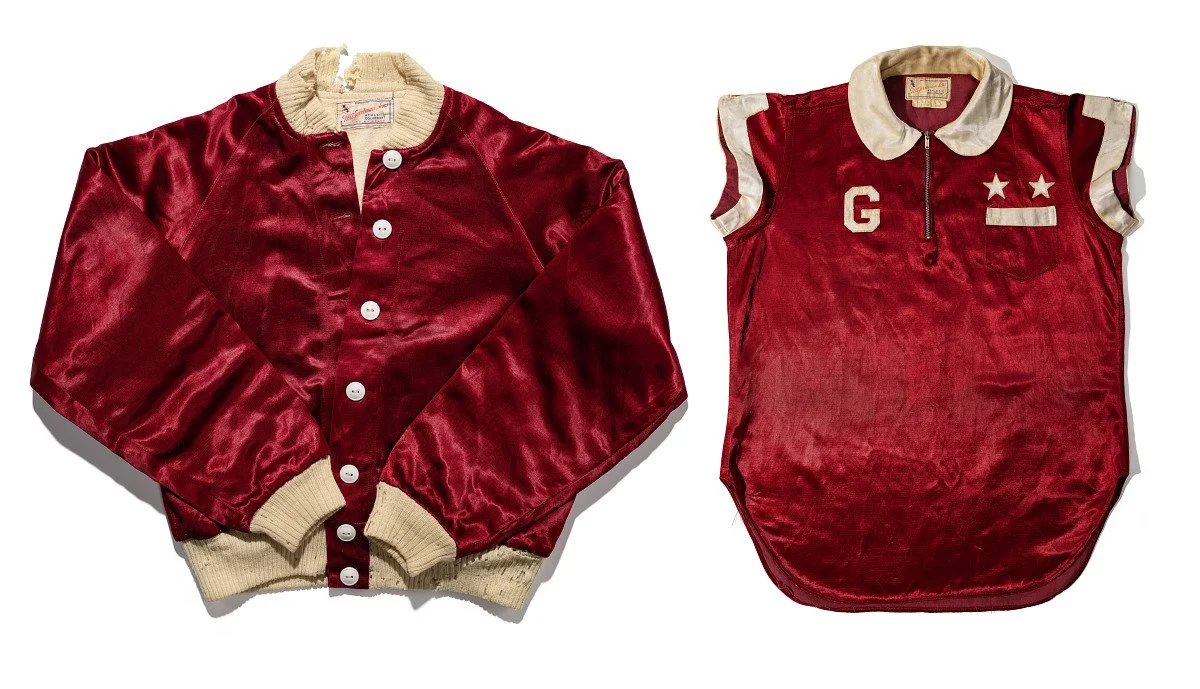
Marge Villa Cryan's 1939 Garvey Stars Girls' Uniform is part of the Smithsonian's National Museum of American History permanent collection — donated by Marge herself alongside her daughter Renee Soderquist. The jersey is featured in ¡Pleibol!, the Smithsonian's landmark exhibition exploring Latino/a contributions to baseball in America. View the 3D artifact →
Related Events & Programs

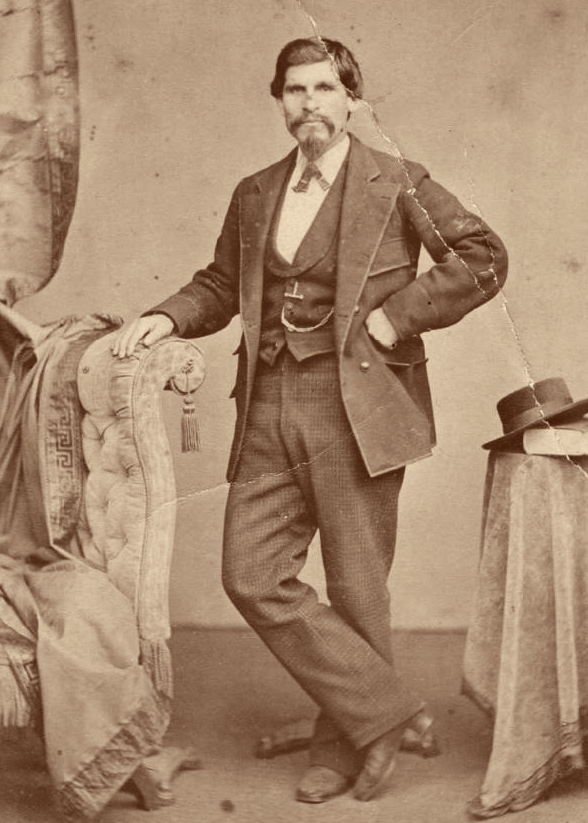

Celebrate Baseball Day at the Adobe Museum on March 7, 2026. Honor Montebello baseball pioneer Marge “Poncho” Villa Cryan, explore women’s sports history, and enjoy a free family-friendly community event.